Benjamin Franklin was a scientist and entrepreneur who became a civic leader and diplomat.
Like Franklin, you are
- independent, curious, and entrepreneurial
- the life of the party—any party, any time
- great at bringing people together
Benjamin Franklin was a scientist and entrepreneur who became a civic leader and diplomat.

Warrior
Benjamin Franklin by Joseph Siffred Duplessis, ca. 1785. National Portrait Gallery.

Like Franklin, you are

Benjamin Franklin was a one-of-a-kind celebrity. The story of Franklin flying a kite during a lightning storm partially explains why he had so many fans. His big risks led to inventions, discoveries, and change—in science and in politics. You are like Benjamin Franklin because your eccentricities and intelligence make you a great friend and leader.
Self-Made Man • Delegate to Continental Congress • Diplomat
1706–1790
Pennsylvania
In 1776, Benjamin Franklin was a zesty seventy-year-old with a lifetime of achievements. He had been a printer, scientist, founder of a public library, and international advocate for colonial interests.
Franklin’s accomplishments earned him a place in the Continental Congress and on the committee drafting the Declaration of Independence. Congress then sent Franklin to be ambassador to France. Franklin’s charm and diplomatic skills helped him to negotiate French financial and military support. Franklin also worked alongside John Adams and John Jay to negotiate the Treaty of Paris, which ended the Revolutionary War.
Franklin continued to reflect upon the revolutionary principles of equality and freedom. In the 1780s, he came to regret having enslaved seven people. As president of the Pennsylvania Society for Promoting the Abolition of Slavery, he submitted an important petition to Congress. He wrote essays opposed to slavery. And his will freed the people enslaved in his household.
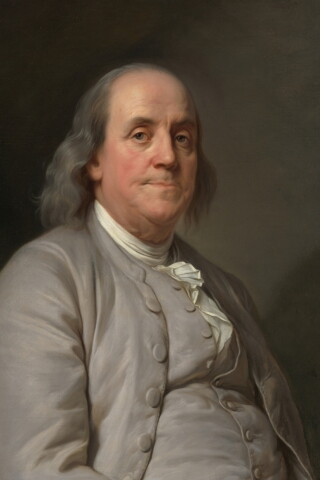
“I should have no objection to a repetition of the same life from its beginning, only asking the advantages authors have in a second edition to correct some faults of the first.”
Benjamin Franklin, The Autobiography, 1791. Image: Benjamin Franklin by Joseph Siffred Duplessis, ca. 1785. National Portrait Gallery.
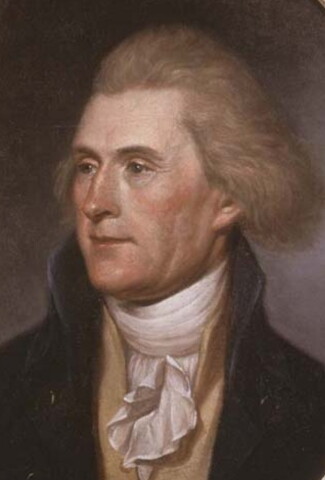
“When Dr Franklin went to France . . . his eminence as a philosopher, his venerable appearance, and the cause on which he was sent, rendered him extremely popular. . . . He was therefore feasted and invited to all the court parties.”
Thomas Jefferson, ca. December 4, 1818, printed in National Gazette and Literary Register, April 5, 1820. Image: Thomas Jefferson by Charles Willson Peale, 1791. Independence National Historical Park Collection.
Take the quiz once to reveal your true historical nature . . . or take it multiple times to discover the many sides of revolution.
Image: Students performing in the Hamilton Education Program.


Explore the Declaration of Independence with notes that explain the meaning of certain words or phrases in a document, offering historical context and advice on what to look for when reading the document.

This program combines theatrical experiences with rigorous historical study and creative expression to make history engaging and accessible to students.

The Gilder Lehrman Institute is pleased to offer many opportunities for students throughout the year, encouraging the study of American history and supporting students in their career and research goals.