Penelope Barker was an elite woman turned grassroots organizer.
Like Barker, you are
- a leader among your friends
- quick to publicly call out others’ misbehavior
- able to notice political opportunities overlooked by others
Penelope Barker was an elite woman turned grassroots organizer.

Visionary
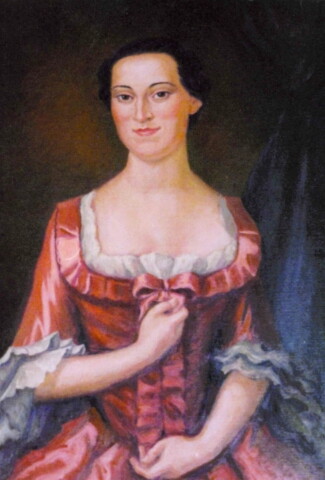
Penelope Barker by John Wollaston, 1757. Cupola House Association.

Like Barker, you are

Penelope Barker used her social influence to rally support for the American Revolution. She was initially mocked by the British press, but her friends in America supported her bold action. Modern Americans see Barker as a trailblazer who anticipated women’s expanding role in politics. You are like Barker when you motivate others to make change.
Elite • Activist • Celebrity
1728–1796
North Carolina
Penelope Barker could have been a conventional elite North Carolinian woman. Barker’s husband left for England in 1761 to serve as North Carolina’s agent, returning in 1778. In his absence, Penelope Barker managed her family’s estate. This estate included enslaved people.
In 1774, Barker organized and signed a resolution with fifty other women in the Edenton Ladies’ Patriotic Guild. The resolution pledged the women to boycott British tea and goods until unjust taxes were repealed. Colonial newspapers published the resolution, and the women sent a signed copy to England.
A crude British political cartoon mocking the “Edenton Tea Party” appeared in the Morning Chronicle and London Advertiser in early 1775. Women in the Ladies’ Patriotic Guild were pictured as unattractive, tacky, and lewd. Barker was none of the above.
“We cannot be indifferent on any Occasion that appears nearly to affect the Peace and Happiness of our Country.”
Penelope Barker, Virginia Gazette, November 3, 1774. Image: Penelope Barker by John Wollaston, 1757. Cupola House Association Inc.
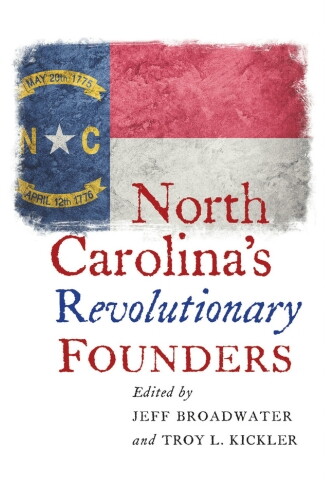
“The protests of the Edenton women . . . foreshadowed a new political order in the future in which women would have a voice in public affairs.”
Maggie Hartley Mitchell, “Treasonous Tea: The Edenton Tea Party of 1774,” North Carolina’s Revolutionary Founders, 2019.
Take the quiz once to reveal your true historical nature . . . or take it multiple times to discover the many sides of revolution.
Image: Students performing in the Hamilton Education Program.


Explore the Declaration of Independence with notes that explain the meaning of certain words or phrases in a document, offering historical context and advice on what to look for when reading the document.

This program combines theatrical experiences with rigorous historical study and creative expression to make history engaging and accessible to students.

The Gilder Lehrman Institute is pleased to offer many opportunities for students throughout the year, encouraging the study of American history and supporting students in their career and research goals.